
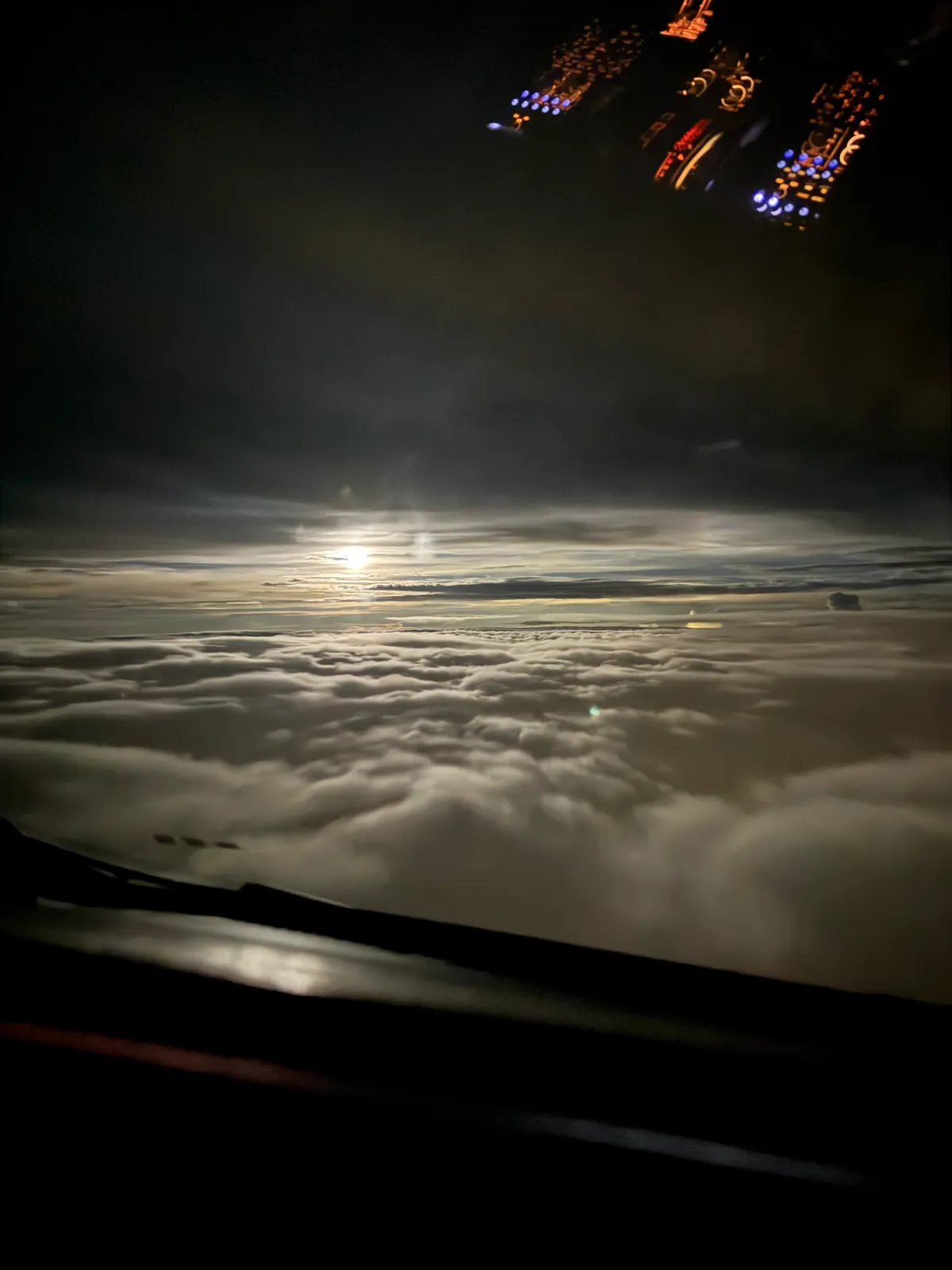
14–20 day accelerated training
Instrument rating program.
One-on-one IFR training for pilots who want real-world confidence, not just a checkride sign-off.
- 14–20Days
- 4–6Hours a day
- 1:1Instructor
The Plane Suite approach
Train like a professional pilot.
Instrument flying takes discipline, accuracy, weather judgment and the ability to stay ahead of the aircraft. The program is built around those real-world skills.
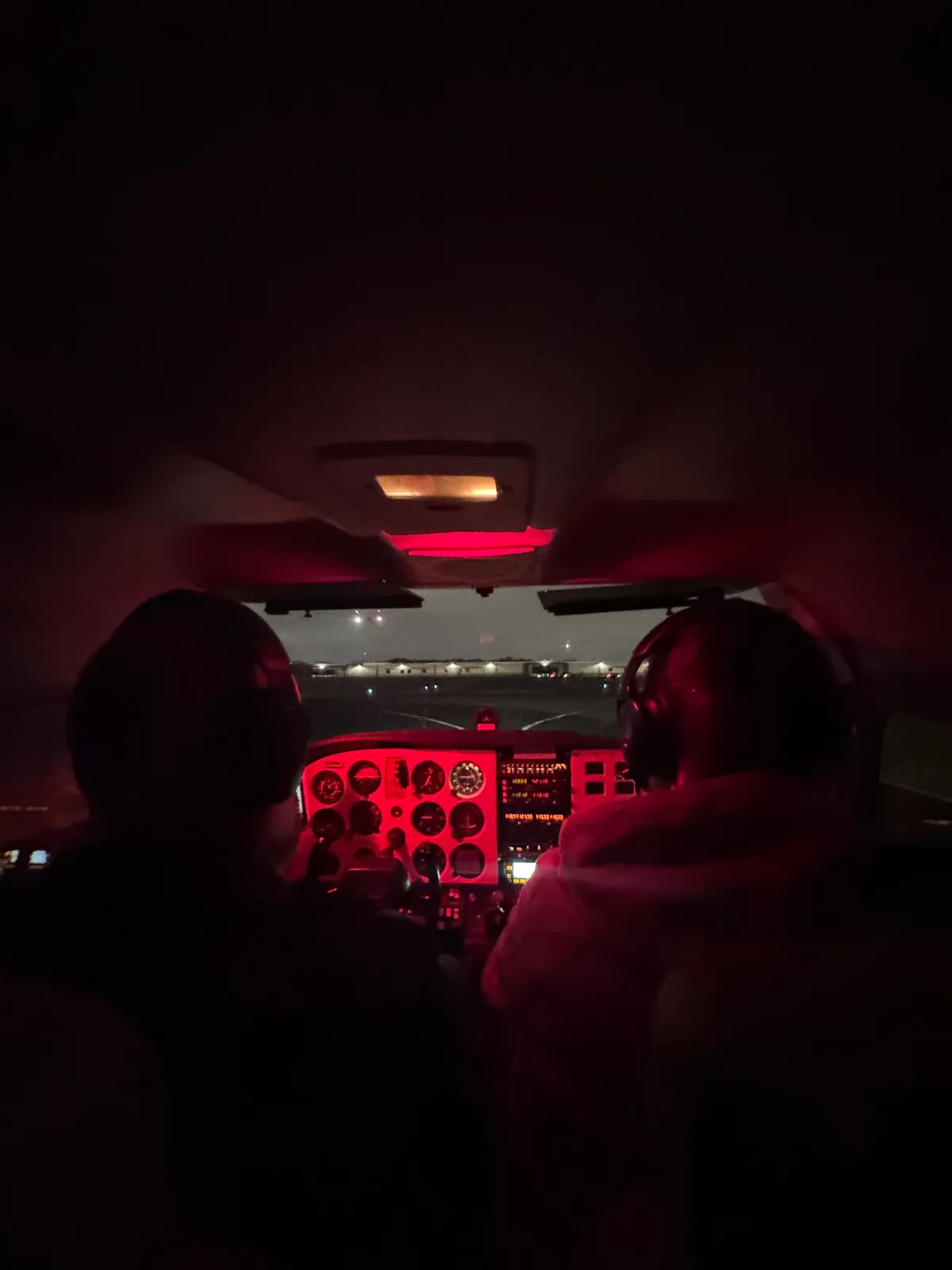
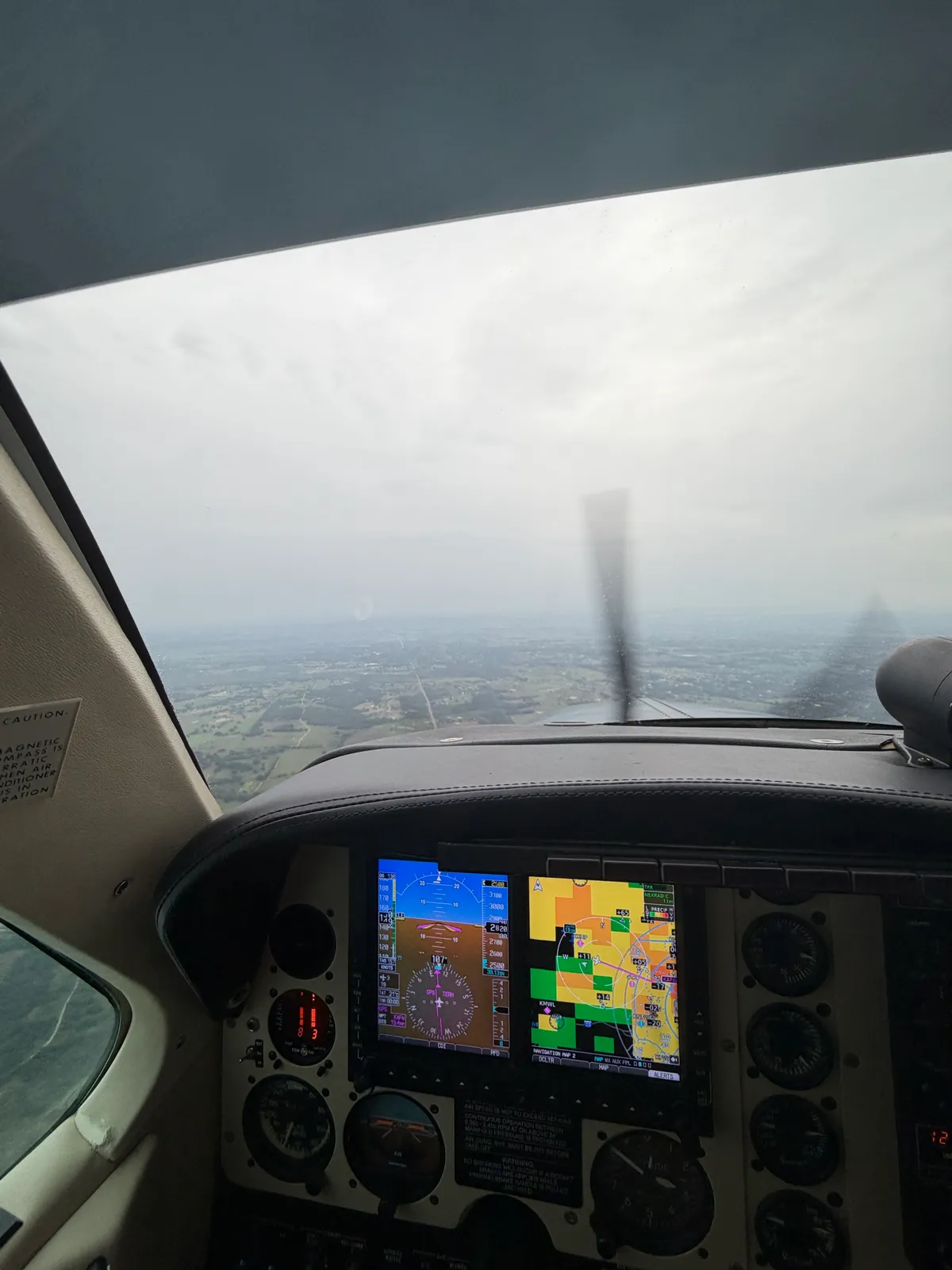
We teach one-on-one, in your aircraft or one of ours. There are no simulators in this program: you train in a real airplane with real avionics, real ATC and real weather considerations, in the cockpit you will use after the rating.
The goal is simple: a safer, more capable IFR pilot who is ready to operate confidently after the checkride.
- A 14–20 day training windowDesigned to compress months of training into a focused, full-time program.
- 4–6 hours a dayNormally split into morning and afternoon blocks with a rest and study break.
- Proficiency-basedWe train to mastery and safety, not just the minimum required standard.
Built for serious pilots
Not a shortcut. A better way to train.
Accelerated training only works when it is structured, professional and tailored to the pilot and the aircraft.
- Dedicated instructor focusYour instructor is focused on your training, not juggling a packed flight school schedule.
- Aircraft-specific trainingMaster your avionics, autopilot, aircraft performance, abnormal procedures and IFR workflow.
- Professional standardsBriefings, debriefings, risk management, weather decision-making and checkride preparation are built into the program.
Program structure
Designed around immersion, repetition and retention.
Each day is built to develop skill, correct weak areas quickly and keep momentum moving toward checkride readiness.
- Morning
Briefing + flight lesson
Lesson objectives, weather review, IFR flight planning and aircraft systems, then a focused 2.5–3 hour flight.
- Midday
Break + study block
One to two hours to rest, review procedures, prepare approaches and reset before the next training event.
- Afternoon
Second flight or ground session
More flight training, or structured ground instruction in weather, regulations, approaches, aircraft systems and IFR decision-making.
- Evening
Self-study + prep
Review the day’s lessons, chair-fly procedures, prepare the next flight and reinforce weak areas while the training is fresh.
We bill by the hour and build in spare days for weather, checkride preparation and proficiency, so we never race the clock or push anyone into a checkride before they are ready.
What you will master
Real-world IFR skills.
The focus is not just maneuvers. It is the judgment and cockpit flow needed to operate safely in the IFR system.
Approach proficiency
ILS, LPV, LNAV/VNAV, localizer, VOR, circling considerations, missed approaches and stabilized approach discipline.
IFR workflow
Clearance copying, loading procedures, briefing approaches, managing automation, staying ahead of ATC and cockpit organization.
Weather decisions
Ceilings, visibility, icing, convective risk, alternates, fuel planning, personal minimums and go/no-go decision-making.
Holding and navigation
Holds, intercepts, tracking, GPS and VOR navigation, course reversals and situational awareness.
Emergency procedures
Partial panel, unusual attitudes, lost communications, avionics failures, missed approach scenarios and risk mitigation.
Checkride readiness
Mock oral, practical test simulation, ACS standards, aircraft documents, systems knowledge and a final readiness evaluation.
FAA requirements
Built around FAR 61.65.
We verify your logbook and experience before training begins, so the program lines up with FAA eligibility and checkride requirements.
- Private pilot certificate or higherInstrument rating applicants must hold at least a private pilot certificate.
- 50 hours cross-country PICRequired under FAR 61.65, with at least 10 hours in airplanes for an airplane instrument rating.
- 40 hours of instrument timeActual or simulated, including at least 15 hours of instrument flight training from an authorized instructor.
- Instrument cross-countryAt least 250 NM along airways or ATC-directed routing, with an approach at each airport and three different kinds of approaches using navigation systems.
- Knowledge testThe FAA instrument written should be completed before training starts, or before the second lesson.
What it costs
Billed by the hour.
What a program like this usually adds up to.
Estimated instruction: 50–90 hours at $70 an hour. Instruction is billed separately from the airplane: in one of our aircraft the airplane is $160 an hour, so the combined rate is $230 an hour, and a typical instrument rating in our aircraft comes to about $12,000. Actual cost depends on your experience, logbook totals, aircraft familiarity, weather, checkride preparation and proficiency.
Travel costs can include lodging, mileage, ground transportation and a daily per diem. When training is in the Dallas–Fort Worth area, we do not charge travel costs. We can also help you find accommodations and airports where you can keep your aircraft during training.
$70/hr instruction
Billed by the hour, not as a rushed flat-rate package.
- 50 hrsTypical if you already meet most requirements
- 70 hrsCommon average for many students
- 90 hrsPossible if starting fresh or needing more proficiency
Common questions
Program details.
Do you use a simulator in the accelerated instrument program?
No. The program is built around real aircraft training. We train in your aircraft or one of ours, so the training transfers directly to the airplane and avionics you will actually use.
Do you travel for training?
Yes. We are based in Fort Worth, Texas, and travel for instruction, insurance checkouts and transition training in your aircraft. Tell us your aircraft, your airport and your insurer’s requirements and we will plan it with you.
When should I take the instrument written exam?
The FAA instrument knowledge test should be completed before training begins and, at the latest, before the second lesson. That keeps training time for real understanding, procedures and flight proficiency instead of test cramming.
Is the 14–20 day instrument program guaranteed?
No timeline can be guaranteed. Weather, aircraft maintenance, pilot proficiency and examiner availability can all affect completion. The 14–20 day window is the target structure for a prepared, committed applicant.
Is accelerated instrument training always 4–6 hours a day?
No. Four to six hours a day is the plan, not a hard requirement. When schedule, aircraft, weather and progress allow, many pilots finish in under 14 days. We build in spare days for weather and proficiency and never push a checkride before you are ready.
What does the accelerated instrument program cost?
Instruction is $70 per hour. In our aircraft the airplane adds $160, so $230 an hour combined, and a typical rating comes to about $12,000. Most pilots need 50 to 90 hours, depending on experience and proficiency. Travel costs apply outside Dallas–Fort Worth.
Who is the accelerated instrument program best for?
Serious pilots who can commit to full-time training, study between lessons and want to become confident IFR operators. It is not designed to be the cheapest or lowest-effort path to a rating.
Limited availability
Ready to train the right way?
We accept a limited number of accelerated instrument clients so each student receives focused, high-quality instruction without rushing the process.
Proficiency. Safety. Real-world IFR confidence.
FAA requirements are summarized for planning. Final eligibility and completion depend on your records, aircraft status, instructor endorsement, FAA regulations, ACS standards, weather, aircraft availability and practical test scheduling.